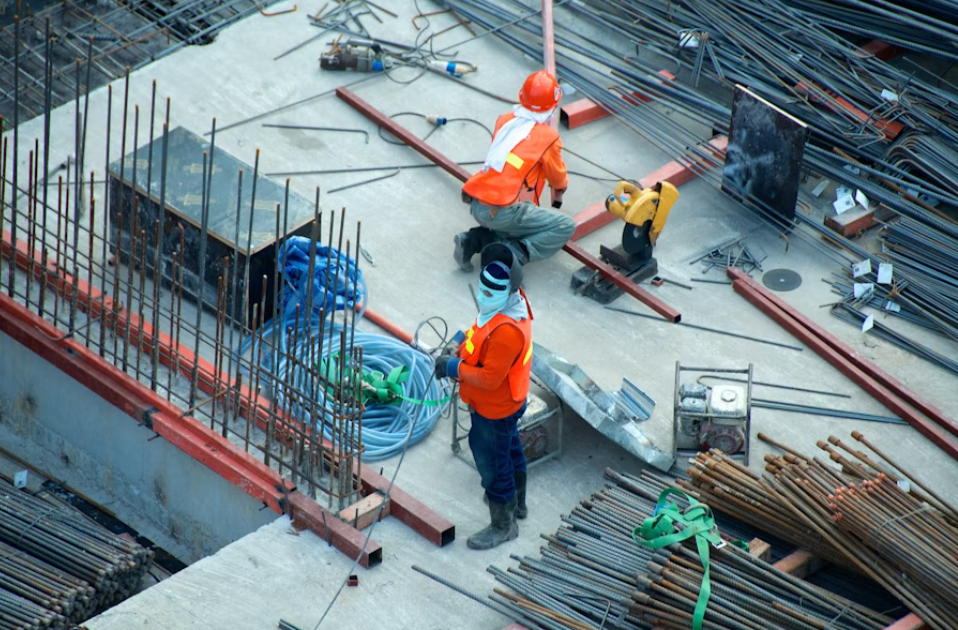
Job-Site Protection
Security Plans Built for Active Job Sites
Texas general contractors and site teams need more than a guard standing at the fence line. Coverage must adapt to the project phase, protect equipment and materials after hours, control gate activity, and record events across fast-growing urban projects, remote sites, and large outdoor work zones.
Phases of Construction We Cover
Coverage From Ground-Break Through Certificate Of Occupancy
Construction security needs change as the project evolves. Early work has different exposure than mid-phase equipment storage or late-stage finish installation, so we scope coverage around the actual phase of the site.

The Real Threats On A Construction Site
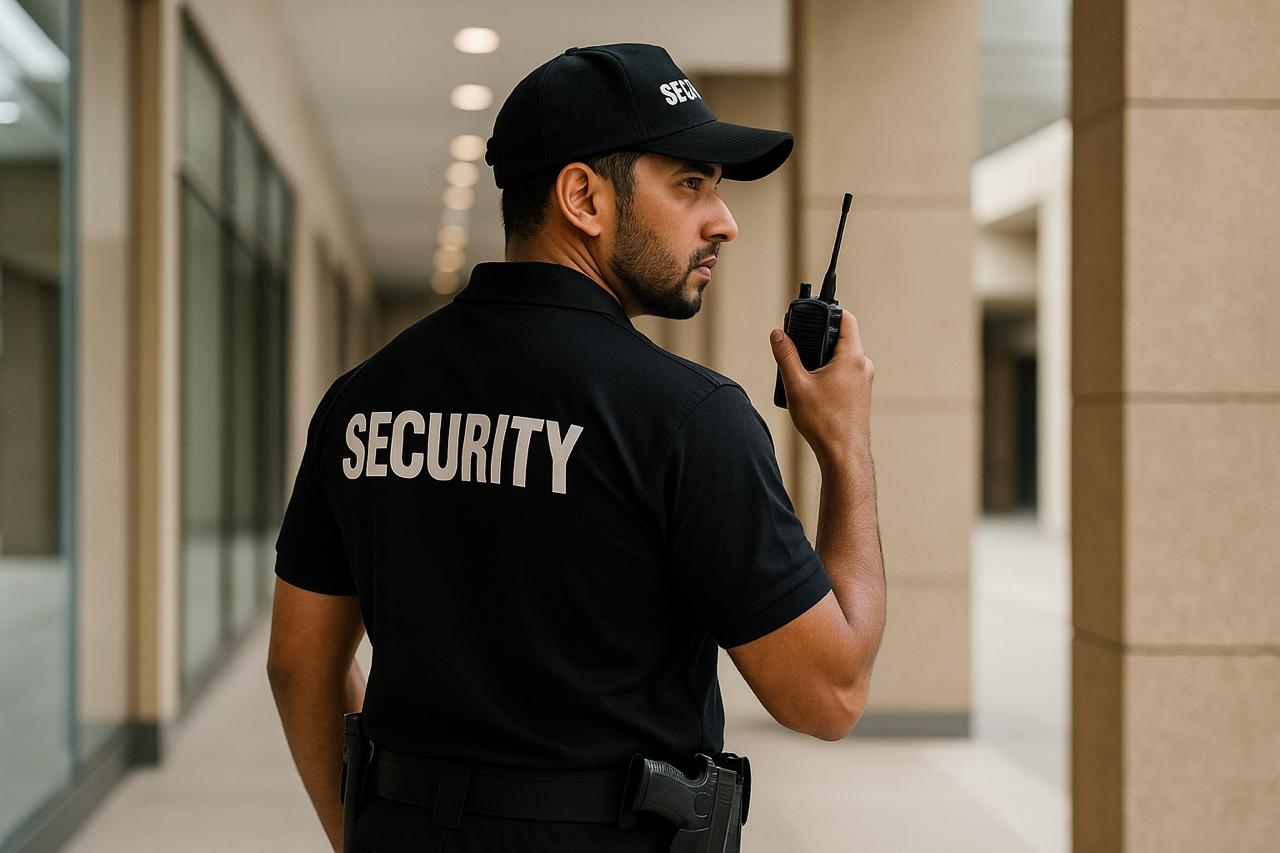
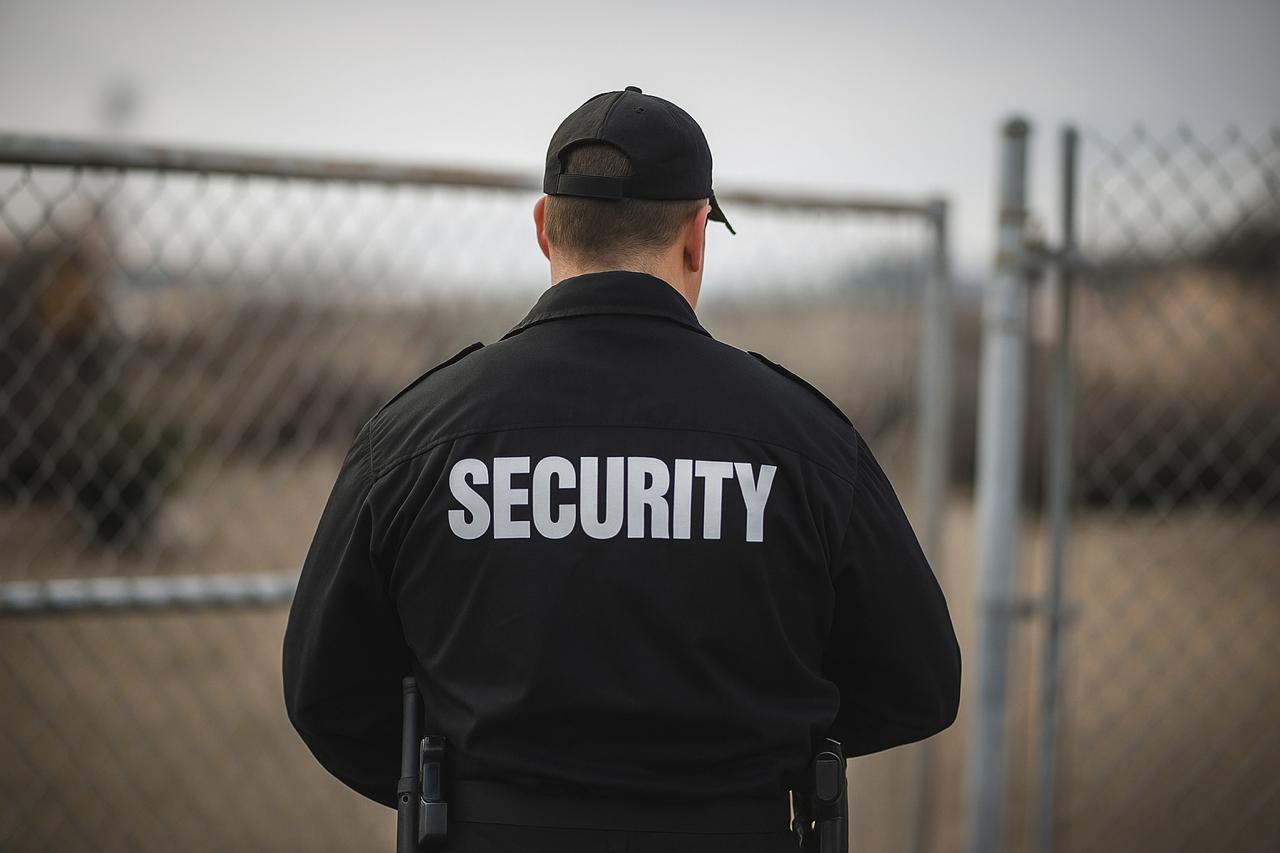
The Exposures GCs And Superintendents Actually Deal With
Construction losses rarely come from abstract security concerns. They come from repeatable site problems that hit schedule, budget, subcontractor coordination, and insurance exposure all at once.
Copper Wire Theft
High-value wire is one of the most common overnight theft targets and can create expensive replacement costs and schedule setbacks.
Generator And Equipment Theft
Portable generators, lifts, and smaller machines are routinely targeted when the site does not have active overnight coverage.
Tool Trailer Break-Ins
Trailers become concentrated storage points for high-value tools, making them a predictable target after crews leave.
Trespassing And Encampments
Unsecured sites can attract trespassers and unauthorized overnight use, creating safety, sanitation, and liability problems before crews return.
Unauthorized Material Removal
Materials can disappear through the gate without clear controls on who is approved to remove stock, equipment, or deliveries.
Claims And Delay Exposure
When theft, vandalism, or damage happens, poor documentation makes it harder to support insurance claims and explain site conditions.
How We Solve It
What A Job-Site Protection Deployment Actually Looks Like
Construction coverage works best when it is organized around gate control, active patrol, after-hours protection, and clear supervision. We structure deployment so the site team can picture exactly what is being staffed.
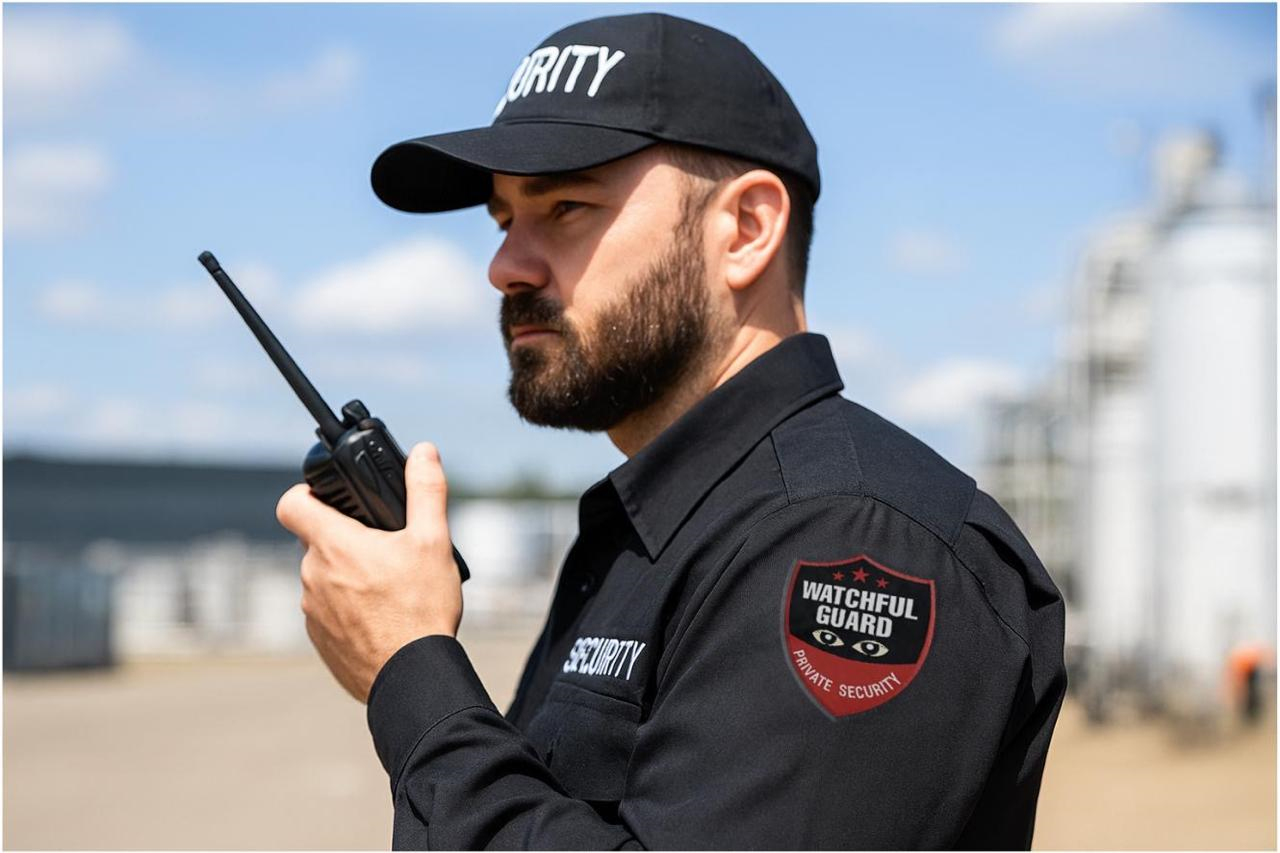
Controlled Site Access
Every entry point is staffed or monitored. Officers confirm credentials for workers, subcontractors, and vendors before allowing site entry. Unauthorized individuals are turned away at the gate, not after they are already on-site.
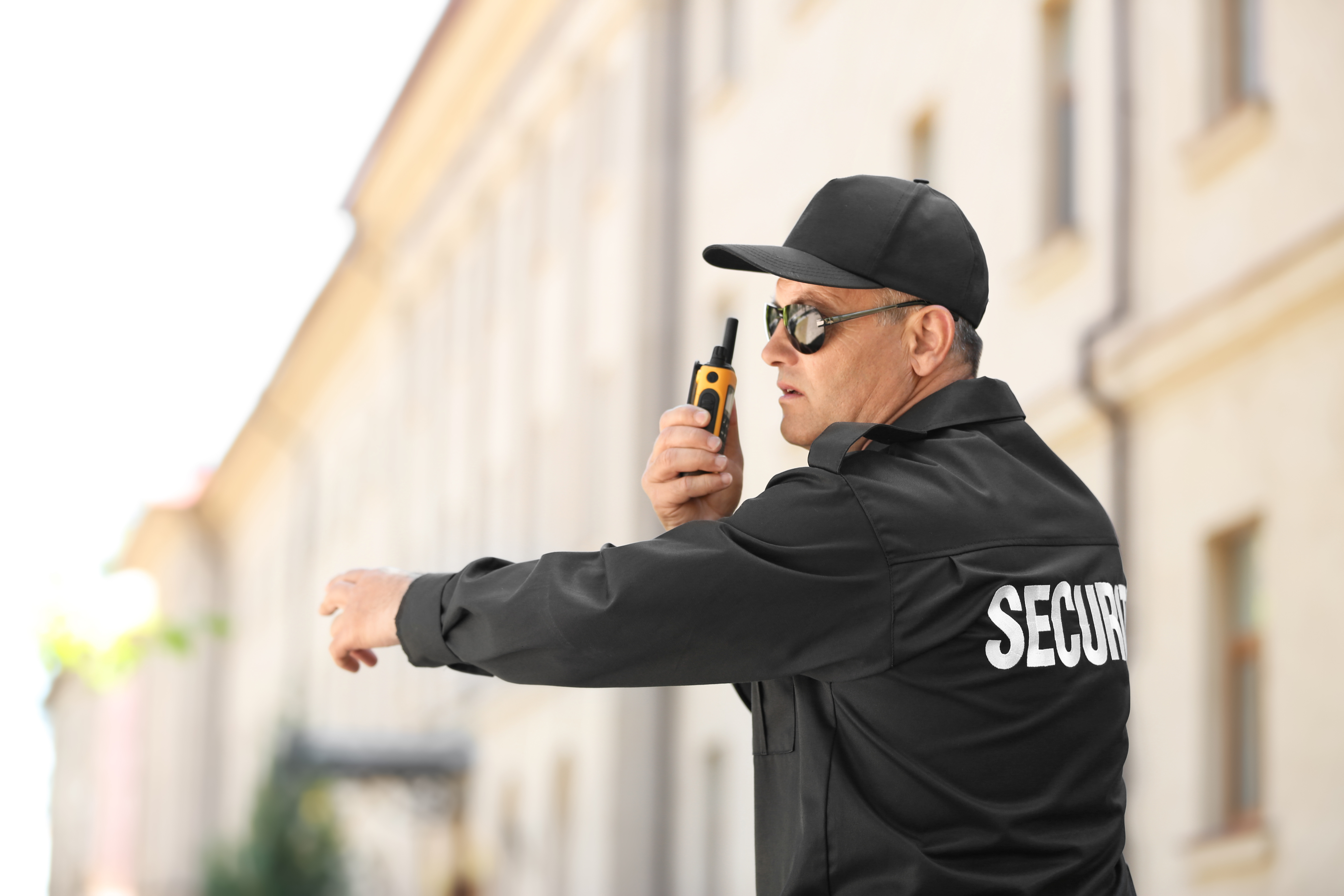
Phase-Aware Patrol
Patrol routes are developed with the project manager and adjusted as construction phases progress. The guard on a framed structure has different checkpoints than one covering final finishes, and coverage reflects that.

Equipment Yard Monitoring
Heavy equipment, material staging areas, and tool storage are specifically included in patrol paths during both shift hours and overnight. Officers record conditions and log any changes in the equipment inventory or perimeter.
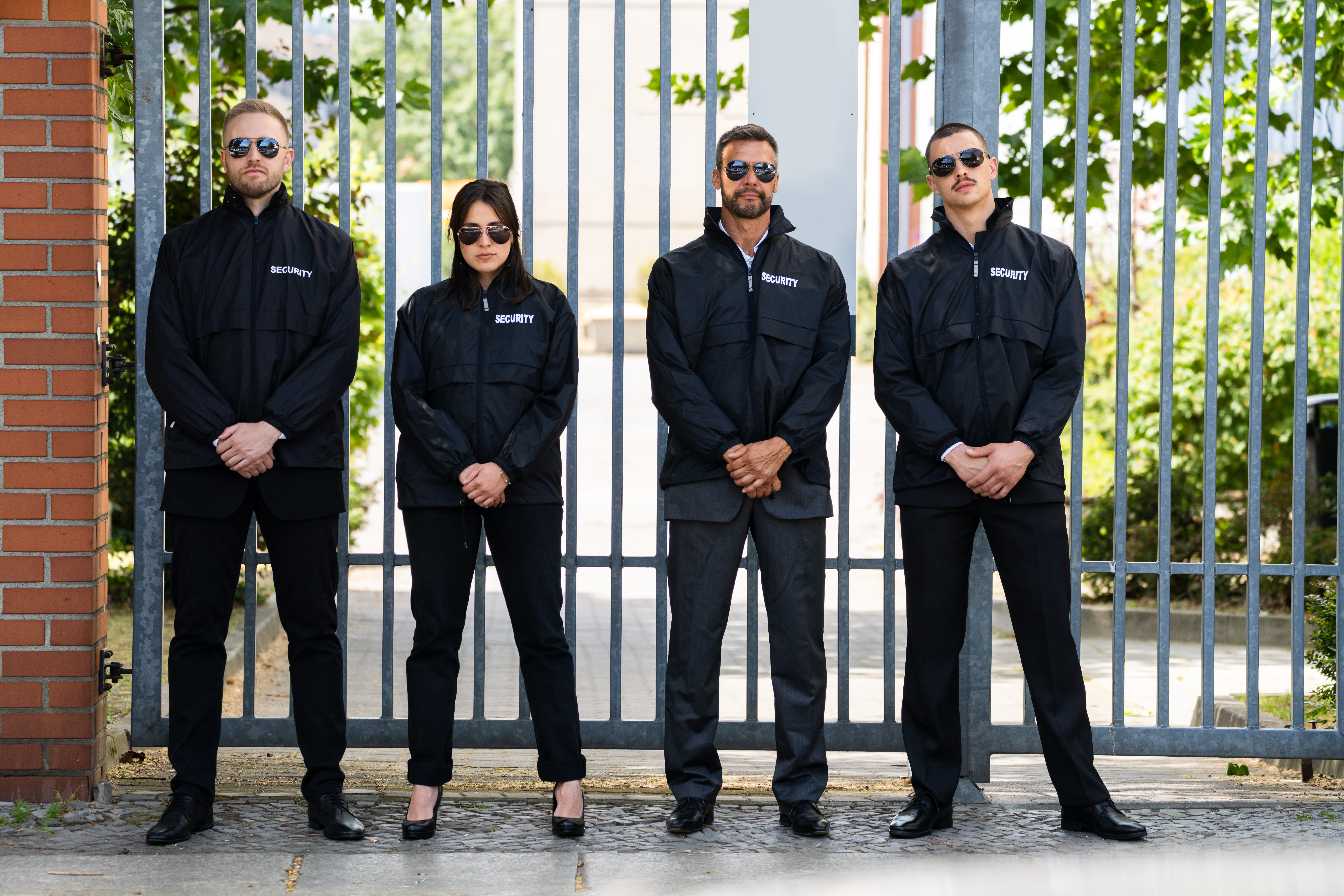
Documented Event Reporting
All access events, disturbances, observed damage, and patrol completions are logged digitally in real time. Project managers can access the platform directly. There is no need to chase updates to understand what happened overnight.
What's Included
What A Job-Site Protection Plan Can Include
Job-site customers need a clearly defined operating scope they can review with project leadership. We spell out the deliverables so there is no ambiguity around what the security plan is doing on site.
Gate Management
Check-in support for subcontractors, vendors, and approved visitors with entry and exit logging.
Perimeter And Trailer Checks
Patrol verification for fencing, storage areas, trailers, laydown zones, and exposed access points.
Overnight Static Or Patrol Coverage
Coverage options for after-hours equipment protection, material security, and alarm or disturbance response.
Fire-Safety Watch Logs
Defined patrol intervals and documented checks when fire-safety watch is required during active construction conditions.
Daily Activity Reports
Shift-level reporting that records patrol rounds, access activity, unusual observations, and site conditions.
Event Reports With Photos
Time-stamped event documentation with photos to support follow-up, internal review, and claims handling.
Supervisor Site Checks
Recurring on-site leadership to confirm post performance and keep accountability on the job site.
Post Order Alignment
Site-specific post orders tied to the project phase, access rules, emergency contacts, and escalation expectations.
Fire-Safety Watch
Fire-Safety Watch Coverage For Required Site Conditions
Fire watch is a specific, billable service construction customers look for. When a site needs documented rounds because normal fire protection is compromised or a permit condition requires it, we can staff that coverage with a clear operating standard.
When Fire-Safety Watch Is Triggered
Common triggers include hot work permits, fire suppression systems taken offline, power outages affecting alarms, or inspector-required coverage after an event.
Defined Patrol Intervals
Fire watch officers make recurring rounds at the required interval, typically every 30 minutes, and record each check as part of the log.
Documented Checks
Each round is documented so the contractor has a record showing where the guard checked, when the round occurred, and what was observed.
Emergency Response Readiness
Security officers receive training to spot hazards, use on-site extinguishers appropriately, and call 911 when conditions require immediate response.
Related Services / Industries
Explore Related Construction Coverage
Construction customers often combine gate staffing, after-hours patrol, fire-safety watch coverage, and broader commercial support depending on the project and site layout.
Technology Integration
Documentation That Supports Site Operations And Claims
Construction teams need reporting they can actually use. Our technology layer supports accountability on the job site and gives project leadership a record they can use when equipment is missing, damage occurs, or a claim has to be supported with documented facts.
Time-Stamped Activity Reports
Shift reports show when rounds were completed, what areas were checked, and what conditions were found on site.
Photo-Supported Event Reports
Reports can include photo evidence so missing equipment, damaged fencing, or vandalism events are documented with stronger context.
Shift Log Visibility
Customers can review site activity and reporting history without relying on manual updates from the field.
Patrol Accountability
Patrol documentation helps confirm that vulnerable zones, trailers, and perimeter points were actually inspected during the shift.
On construction projects, documented event reporting and photo-supported logs help contractors take action faster to theft, damage, and insurance claim follow-up.
Who We Work With
The People Behind Job-Site Protection Decisions
Construction security is usually driven by the people responsible for site control, schedule protection, and liability. We coordinate with the operational decision-makers who need the site covered and documented correctly.
General Contractors
Overseeing job-site performance, subcontractor coordination, and project exposure.
Superintendents
Managing gate control, field conditions, site access, and daily operating discipline.
Project Managers
Tracking schedule impact, vendor coordination, and event follow-up across the project.
Safety Managers
Aligning site procedures, access rules, fire-safety watch needs, and escalation planning.
Owners Reps
Needing visibility into site protection, claims exposure, and documentation quality.
FAQ
Questions Construction Customers Ask Before Signing
Do you work with general contractors directly or through the site owner?
+
Either. Most construction accounts are initiated by the GC because they carry site security responsibility under the contract. Some are initiated by the developer or site owner. We structure the post order and billing to fit whoever holds site responsibility.
Can coverage change as the project phases change?
+
Yes, and it should. We review the post order at each major phase transition. A site under foundation has different access and patrol requirements than a site in mechanical rough-in or final finishes. We adjust hours, routes, and post assignments accordingly.
What happens if there is a theft or break-in while a security officer is on post?
+
Security officers receive training to secure the scene, contact law enforcement, notify the designated site contact, and record the event in the platform immediately. The GC receives a full documented report before the police investigation is complete.
How long is the minimum contract for a construction site?
+
Construction accounts are typically structured by project phase rather than a fixed term. We can engage for a single phase or for the full project lifecycle. Contact us with your project timeline and we will scope accordingly.
Can officers manage the site gate and subcontractor check-in?
+
Yes. Gate coverage can include approved-sub verification, logging entry and exit activity, vendor check-in, and support for site access rules.
Do you offer fire-safety watch and what triggers it?
+
Yes. Fire watch is commonly triggered by hot work permits, alarm or sprinkler outages, post-event requirements, or other conditions where normal fire protection is temporarily compromised.
How quickly can you deploy for a site that just had a theft?
+
Deployment speed depends on the location, schedule, and scope of coverage needed, but urgent post-event requests are treated as a live operational priority.
What's the difference between a static guard post and roving patrol for a construction site?
+
A static post holds one critical position such as the gate or a high-exposure access point. Mobile patrol is built for wider site coverage, perimeter checks, and repeated inspections across multiple zones.
Do you deliver overnight-only coverage or full 24-hour plans?
+
Both. Some projects only need overnight loss prevention, while others need daytime gate control, evening patrol, fire-safety watch, or full 24-hour coverage depending on the phase of the build.
Licensed, Verified, and Accountable
Watchful Guard operates in Texas as a licensed personal protection coverage company through the Department of Public Safety via the Texas Online Personal Protection Coverage system, company license B31064101. All officers on Texas active job sites hold current DPS Security Officer licenses. Every patrol and access event is logged through Security Guard Grid with GPS verification, giving project managers a timestamped record of every shift.
License
TX License B31064101
Officers
DPS Licensed
Verification
GPS-Logged Patrol rounds
Records
Timestamped Reports
Request Construction Coverage
Request A Job-Site Protection Quote Built Around Your Job Site
Tell us about the phase of the project, overnight exposure, gate requirements, fire-safety watch needs, and the materials or equipment you need protected. We'll scope a plan that fits the way the site is actually operating.