Store and Shopping-Center Protection
Store and Shopping-Center Protection Built Around Loss Prevention And Store Operations
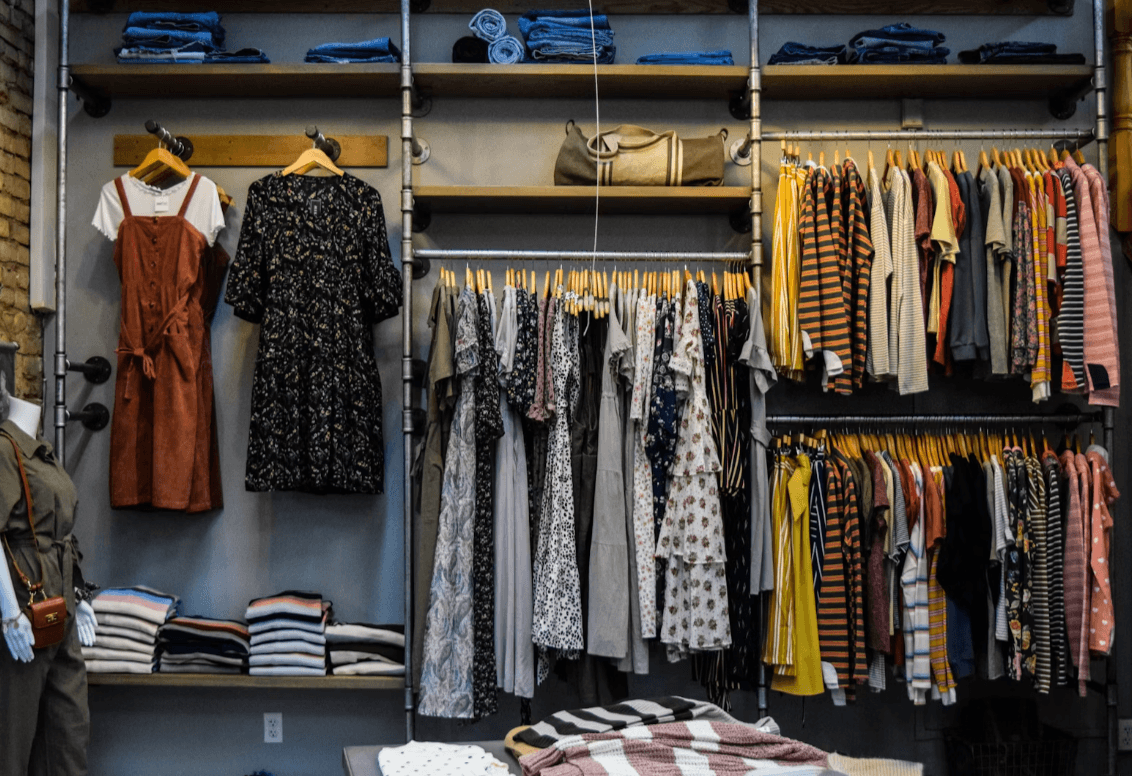
Texas retailers need coverage shaped around the way each location operates—from busy shopping centers and stand-alone stores to multi-site regional portfolios. The Texas deployment must account for shrink, customer flow, peak periods, cash exposure, parking areas, and the difference between entrance deterrence and active floor awareness.
The Full Scope Of Retail Loss
The Sources Of Retail Shrink We Plan Around
Retail shrink does not come from one source. A credible store and shopping-center protection plan has to acknowledge external theft, internal theft, and administrative loss because each creates a different operating problem for the store.

The Problem Section
The Retail Pain Points Loss Prevention Teams Actually Face
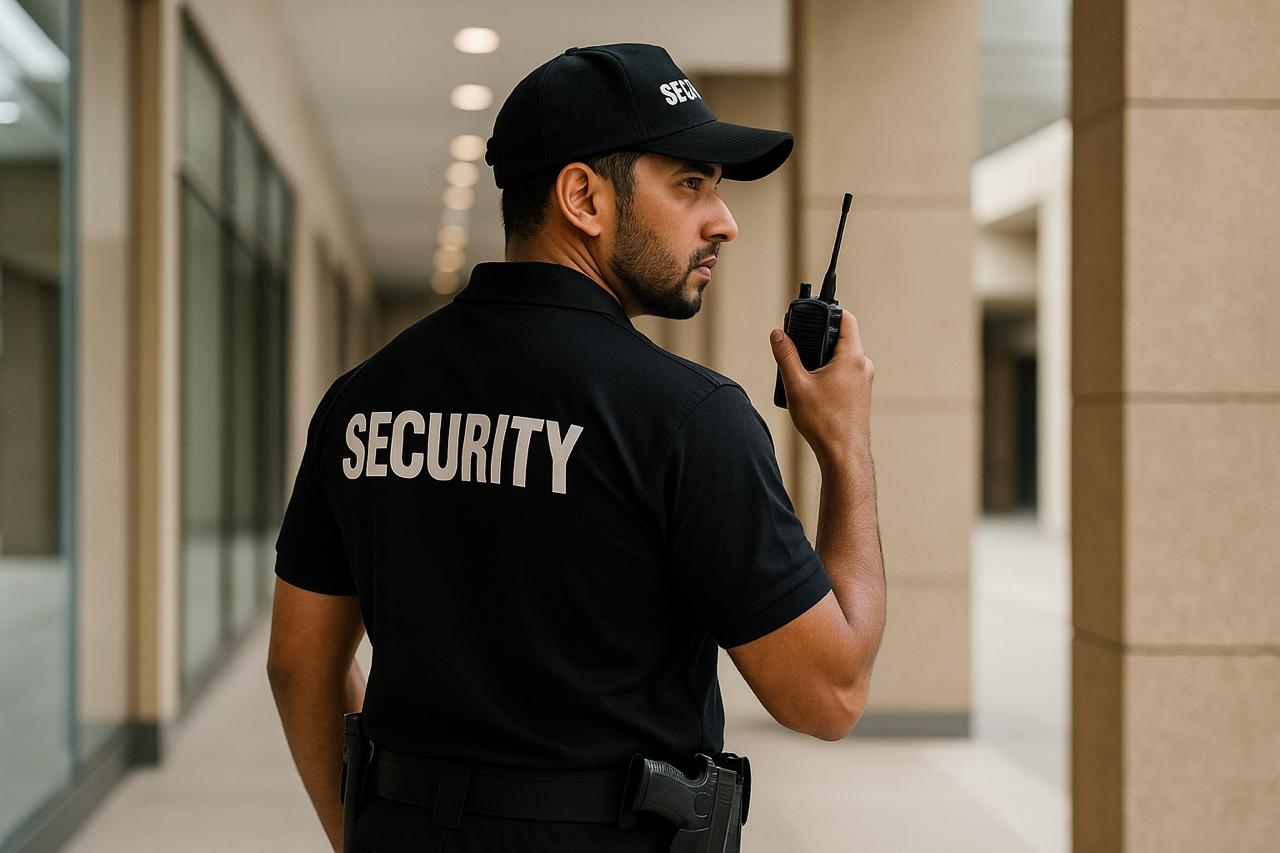
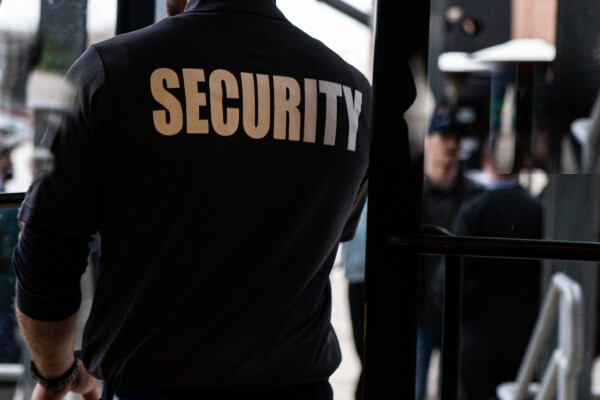
Retail security has to protect merchandise, staff, customers, and store operations at the same time. The pressure points are predictable, and experienced retail buyers expect a vendor to name them directly.
Organized Retail Crime
ORC events target high-value merchandise through coordinated group theft, and they are a major concern for Texas retailers.
Internal Theft Exposure
Loss prevention plans have to account for employee theft exposure, not just customer theft at the front of house.
Opening And Closing Vulnerability
Store open and close windows create predictable security pressure around staff access, cash movement, and reduced floor oversight.
Returns And Cash Handling Exposure
Customer service counters, return desks, safes, and cash offices are common flashpoints for disputes, theft attempts, and internal control issues.
Parking Lot Liability
Parking areas are a frequent source of premises liability claims and need patrol visibility, especially during peak shopping periods.
Seasonal Surge Pressure
Weekends, holidays, and back-to-school periods change staffing needs quickly and require flexible coverage instead of a flat schedule.
What We Cover
What We Cover in Store and Shopping-Center Protection
Retail security is not just about stopping shoplifting. The visible presence of a disciplined guard changes behavior at the door, for casual shoplifters, for organized retail crime groups casing the location, and for anyone considering a confrontation with staff. Most retail events never happen because the deterrence was there when it mattered.
Read more +
We deploy store and shopping-center protection officers for a range of environments: single-tenant flagship stores, strip centers, enclosed malls, grocery-anchored retail, and specialty retail corridors. Post orders are written for the specific store layout, peak traffic hours, and the types of events that are most common in the location. A security officer covering a downtown urban flagship is working a different post than one at a suburban shopping center, and the approach reflects that.
Uniformed Entrance Coverage
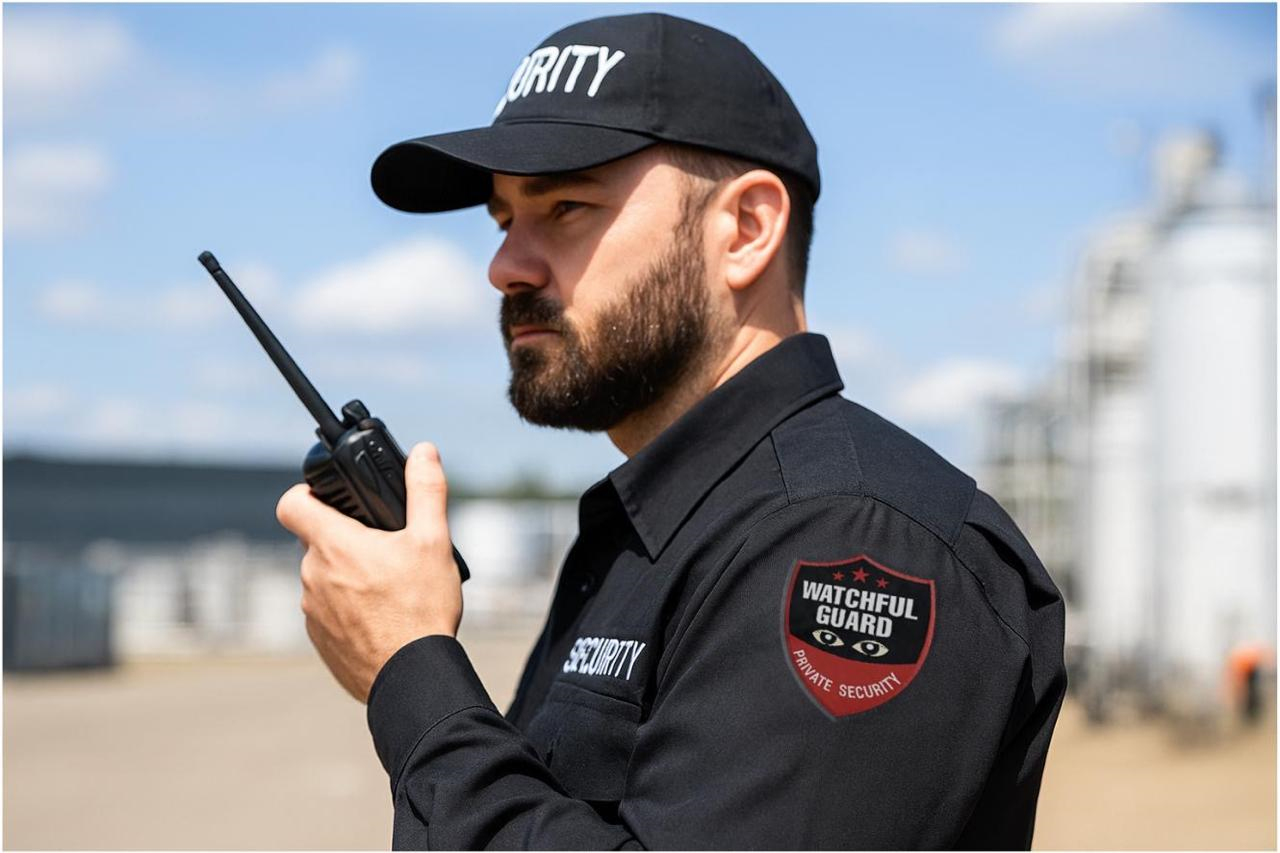
A uniformed guard at the entrance creates visible deterrence, reinforces store presence, and supports opening, closing, and customer entry oversight.
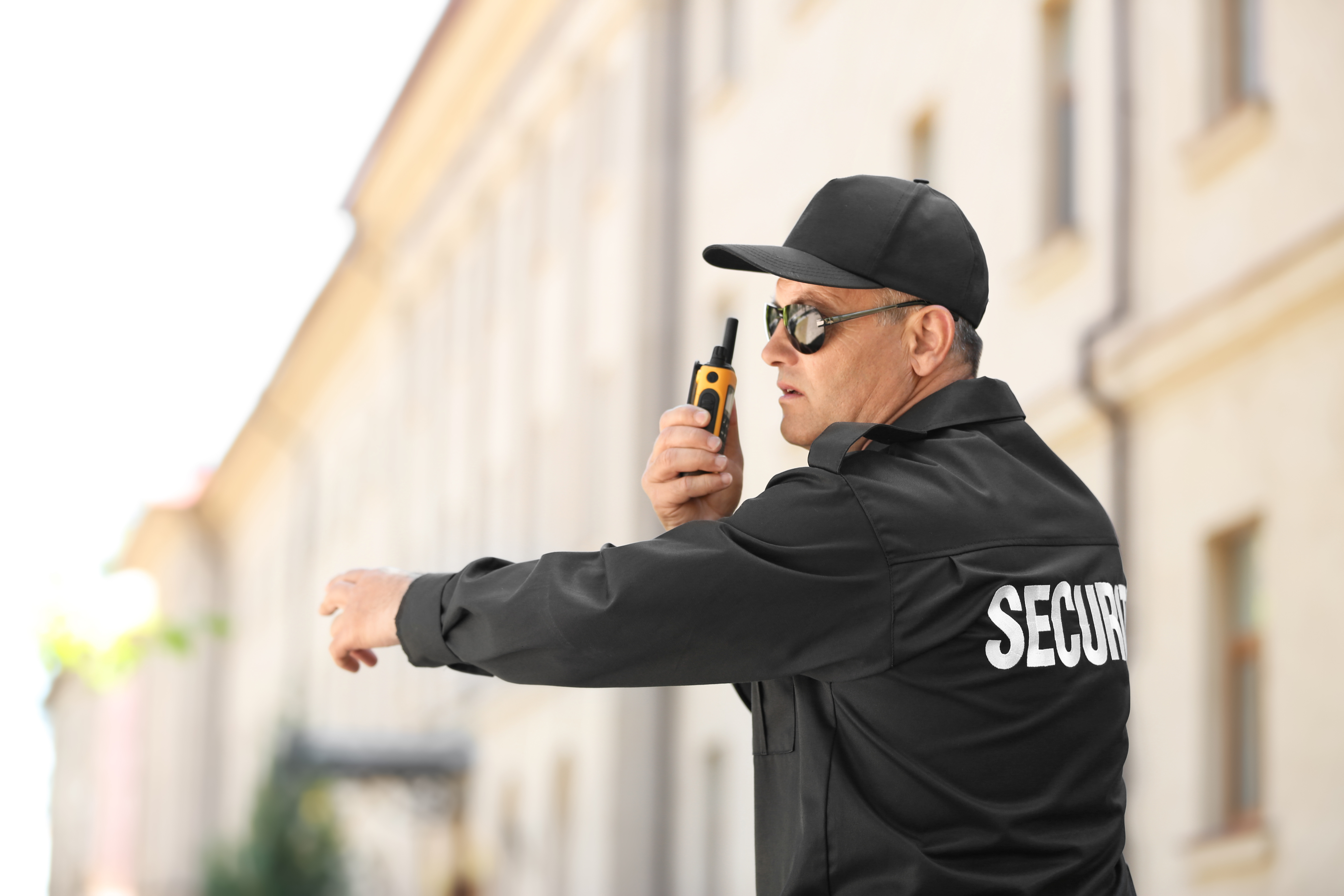
Plainclothes Loss Prevention
Plainclothes floor coverage is used when the store needs observation that does not immediately alert suspects, especially in higher-shrink environments or repeat-theft conditions.

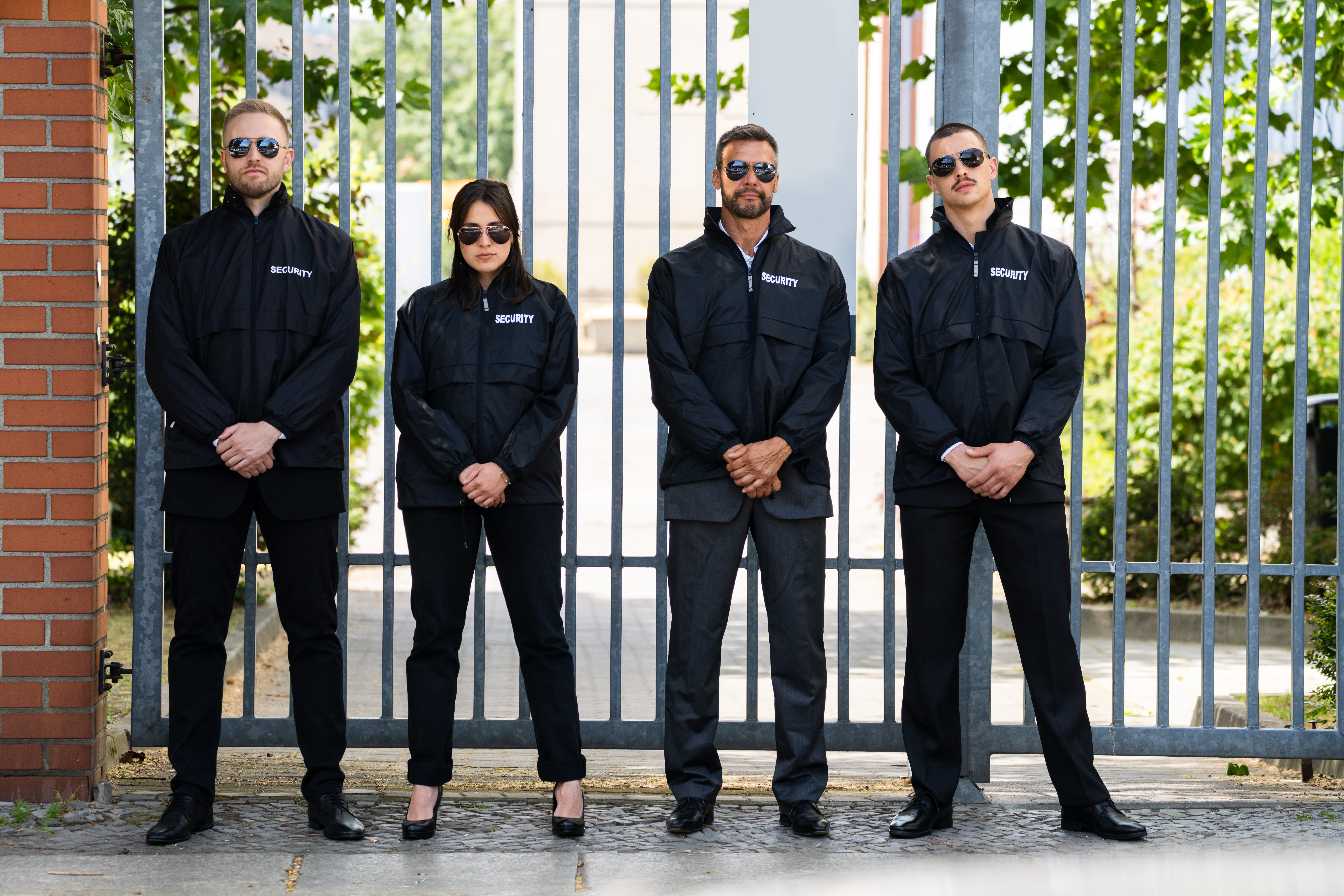
Parking Lot And Exterior Patrol
Patrol coverage extends beyond the sales floor to parking areas, perimeter zones, and exterior loitering or disturbance exposures.
Flexible Surge Scheduling
We adjust positioning and staffing during opening and closing windows, weekends, holiday traffic, and back-to-school periods so coverage tracks the store's real exposure periods instead of staying static.
What's Included
What A Store and Shopping-Center Protection Plan Can Include
Retail operators need specifics, not broad promises. We define deliverables around actual store workflows so operations teams know what the Texas deployment is covering and where officers will be deployed.
Entrance Deterrence
Uniformed presence at key entrances during operating hours and higher-exposure shifts.
Plainclothes Floor Coverage
Loss prevention observation inside the store when discreet coverage is the better fit.
Customer Service And Returns Coverage
Coverage near return desks, service counters, and dispute-prone operating areas.
Cash Office Support
Guard positioning near safes, cash offices, or cash transfer windows during designated periods.
Parking Lot Patrol
Exterior patrol coverage for parking areas, cart zones, and perimeter visibility.
Holiday And Peak-Period Staffing
Flexible schedules for weekends, holiday traffic, promotional periods, and back-to-school surges.
Event Reporting
Time-stamped reporting for thefts, disturbances, parking events, and store-level issues.
Multi-Location Patrol Options
Mobile patrol can rotate between multiple stores when full-time staffing at every location is not needed.
Technology Integration
Reporting That Supports Retail Loss Prevention Operations
Retail customers need fast visibility into events, repeat issues, and site activity across shifts or locations. Our reporting layer supports store operations and gives loss prevention or operations leaders a documented record they can actually use.
Time-Stamped Event Reports
Thefts, disturbances, and parking lot events are documented with clear timing and event detail.
Shift Log Visibility
Retail teams can review activity across shifts without waiting on manual recaps from the field.
Patrol Accountability
Exterior and parking patrol activity is documented so coverage remains measurable and dependable.
Multi-Site Reporting Support
Multi-location retailers gain a cleaner view of events, patrol history, and staffing activity across stores.
Related Services / Industries
Explore Related Retail Coverage
Retail plans often combine uniformed coverage, roving patrol, and broader commercial support depending on the store footprint and number of sites.
Who We Work With
The People Behind Store and Shopping-Center Protection Decisions
Retail security plans are typically driven by the people accountable for shrink, store operations, staffing pressure, and claims exposure. We work with the stakeholders who have to balance loss prevention with the customer experience.
Loss Prevention Directors
Managing shrink strategy, ORC response, and store-level deterrence planning.
Retail Operations Managers
Balancing coverage needs with staffing workflows, customer flow, and daily execution.
Store Managers
Coordinating opening and closing routines, floor issues, and event follow-up at the site level.
Regional Managers
Looking for scalable coverage and reporting across multiple locations.
Exposure And Asset Protection Teams
Centered on claims exposure, event documentation, and operational accountability.
FAQ
Questions Retail Customers Ask Before Signing
Will the guard follow loss prevention protocols or just stand at the door?
+
We develop a post order with you before the first shift that defines exactly what the guard does, which areas to cover, how to handle specific event types, when to contact store management versus law enforcement, and how to interact with customers. A guard standing at the door is a default, not a plan. We do not work that way.
What if a shoplifter gets past the guard and makes it outside?
+
Texas law, the approved post orders, and customer policy govern what a security guard can and cannot do during a detainment. We train officers on those legal boundaries clearly. Our officers do not chase or physically detain without documented cause , they observe, record, and report with information that supports law enforcement follow-up.
Can I get security just for peak periods like holidays or weekends?
+
Yes. Retail accounts can be structured as ongoing posts or temporary engagements tied to specific peak windows. We handle both. Temporary retail coverage for holiday seasons is a common request and we plan staffing for those windows well in advance.
Do officers interact with customers or just watch?
+
It depends on the post order. Some retail customers want officers in a more traditional loss prevention role, visible but not customer-facing. Others want officers who greet customers at the door, assist with direction questions, and serve as a visible service presence. We can do either. We define it before the first shift.
What's the difference between a loss prevention guard and a security guard?
+
A uniformed security guard is typically centered on visible deterrence, presence, and site response. A loss prevention guard is often deployed for observation, shrink reduction, and store-specific theft monitoring.
Can officers assist with detentions or do they only observe and report?
+
Post orders, training, and customer policy determine the role. Some sites want strict observe-and-report coverage, while others want officers to support store procedures and escalation within defined limits.
Do you work with retailers who have multiple locations?
+
Yes. Multi-location retailers can use a mix of dedicated coverage at priority stores and roving patrol rotation across additional locations.
How do you handle holiday season staffing increases?
+
We plan for peak retail periods with flexible schedules, added entrance coverage, more parking lot visibility, and staffing shifts that match the seasonal exposure curve.
Can officers be positioned inside the store or only at the entrance?
+
Both. Coverage can be placed at the entrance, on the sales floor, near customer service, around cash-handling zones, or outside in the parking area.
Licensed, Verified, and Accountable
Watchful Guard operates in Texas as a licensed personal protection coverage company through the Department of Public Safety via TOPS, company license B31064101. Officers assigned to Texas retail accounts hold the credentials required for their posts. Entrance coverage, patrol activity, and events are documented through Security Guard Grid for clear multi-site review.
License
TX License B31064101
Officers
DPS Licensed
Verification
GPS-Logged Patrol rounds
Records
Timestamped Reports
Request Retail Coverage
Request A Store and Shopping-Center Protection Quote Built Around Your Store Operations
Tell us about your shrink concerns, store hours, high-exposure periods, entrance layout, parking exposure, and whether you need uniformed, plainclothes, or multi-location coverage. We'll scope a plan that fits the way your retail operation actually runs.