Perimeter Deterrence
The clearly seen presence of a handler-and-canine team at access points and patrol paths deters unauthorized entry more effectively than a standard guard post in high-exposure environments.
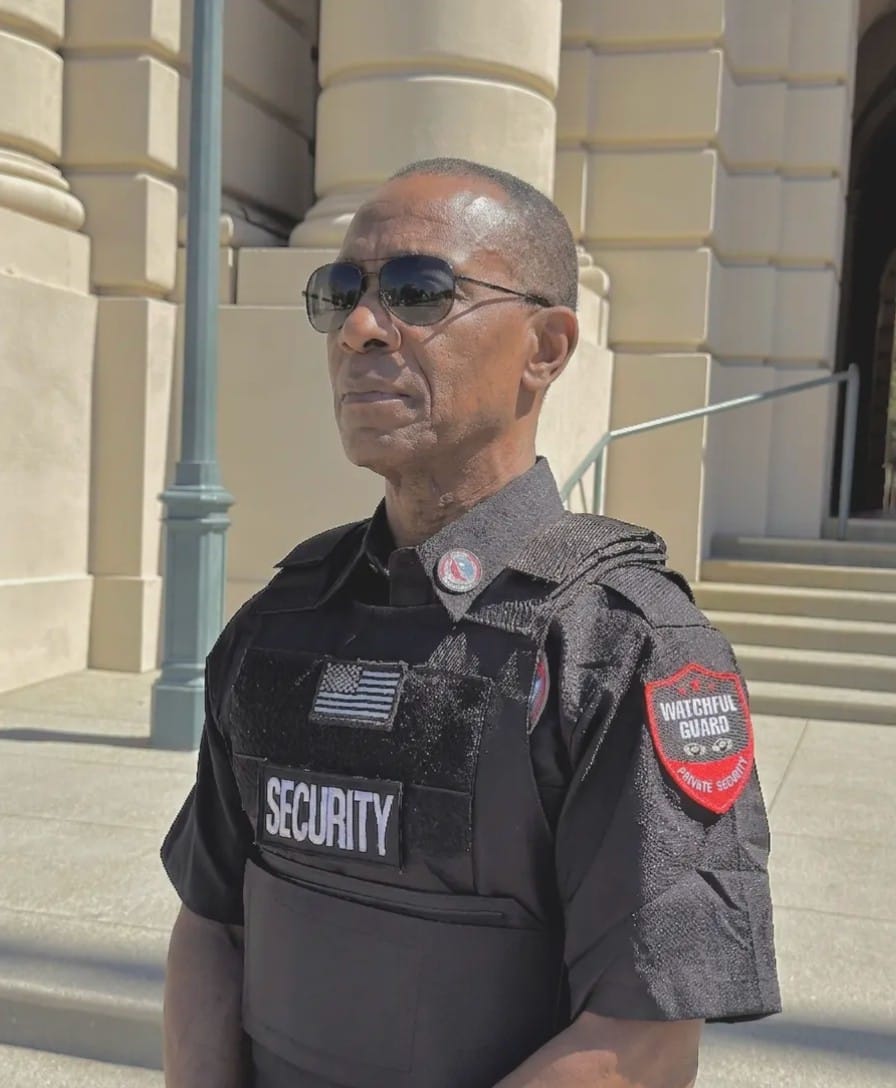
DPS Licensed via TOPS, B31064101, Texas
DPS-licensed K9 handler-and-canine teams for Texas sites and events where site size, perimeter exposure, or crowd conditions justify stronger visible deterrence than guard-only coverage.
WHAT THIS SERVICE COVERS
canine security is used when a site needs a stronger visible deterrent than a standing guard can deliver alone. A handler-and-canine team changes how people approach a site, how crowds respond to boundaries, and how quickly unauthorized individuals decide not to test the perimeter. That effect is most valuable at large industrial yards, overnight active job sites, event perimeters, and locations where the gap between patrol passes creates an exploitable window.
K9 handlers are DPS licensed and briefed on the specific site before an assignment begins. The handler coordinates directly with site management, event staff, and any supporting guard team so the K9 unit integrates into the broader security plan.
The clearly seen presence of a handler-and-canine team at access points and patrol paths deters unauthorized entry more effectively than a standard guard post in high-exposure environments.
K9 teams cover large footprints, industrial yards, active job sites, event grounds, faster and with greater deterrent effect than guard-only patrol.
At events and venues, K9 teams deliver perimeter control and the visual deterrence that changes how attendees respect controlled zones.
K9 handlers coordinate directly with field leaders, site staff, and other security team members so the team integrates cleanly into the assignment.
Perimeter Patrol
Access Point Deterrence
Large-Area Ground Coverage
Event Perimeter Control
Event Documentation
Handler on Patrol
Handler GPS Tracking Active
K9 Unit confirmed at northeast perimeter, patrol route in progress, 3 of 6 checkpoints logged.
Access Point Log
East gate, 2 unauthorized approach attempts deterred without event at 23:14 and 23:38.
Event Documentation
Suspicious vehicle observed at south lot at 00:21, plate logged, management notified per post order.
Patrol Completion
Full perimeter route completed at 01:02, all checkpoints logged, no breach detected.
The K9 handler's position is tracked throughout the shift, every patrol segment and checkpoint is logged with GPS coordinates and timestamps.
All patrol activity, access deterrence events, and on-site findings are documented by the handler in real time using the digital reporting system.
When K9 is deployed alongside other security team members, the handler's activity is logged in the same platform, giving field leaders a unified view of all coverage.
Where cameras cover K9 zones, customers view live feeds through Security Guard Grid alongside the handler's patrol activity data.
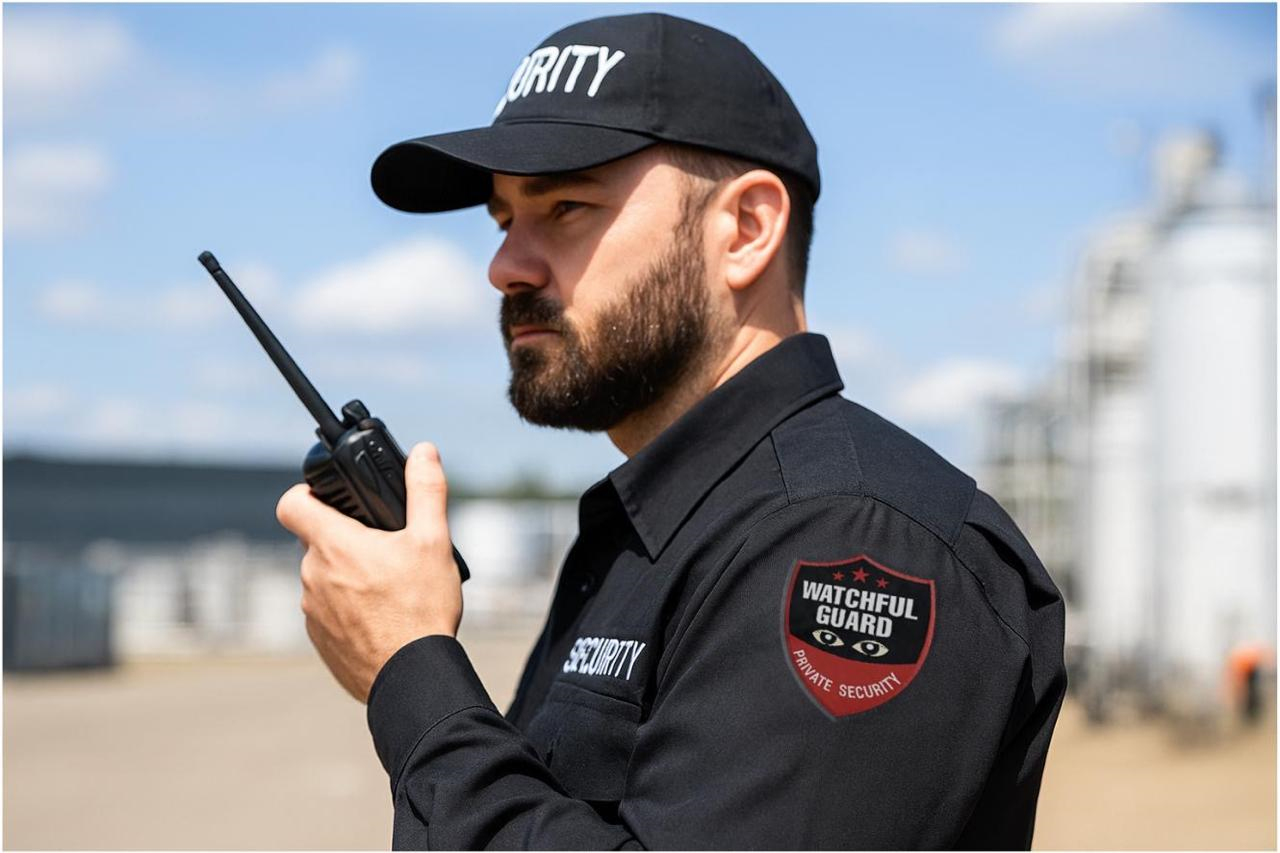
"A K9 team's effectiveness depends entirely on the training and discipline of the handler. We hold that standard before any deployment."
Watchful Guard, B31064101
All K9 handlers hold current DPS security officer licenses through the TOPS system. Watchful Guard operates under company license B31064101.
K9 handlers and working dogs complete structured training covering patrol techniques, public interaction protocols, and the specific deployment context before any assignment.
Every K9 deployment is supported by a pre-assignment briefing covering site layout, patrol zones, public interaction protocols, and coordination with other security team members.
canine security works best where the scale of the site, the deterrence gap, or the crowd profile makes guard-only coverage insufficient.
Large yards and industrial sites where perimeter scale and overnight isolation create a deterrence gap that a K9 team closes effectively.
Construction sites where material theft, trespassing, and perimeter breaches are persistent exposures that visible K9 patrol reduces.
Outdoor events and music festivals where crowd boundaries and restricted area control benefit from handler-and-canine visible deterrence.
Business parks where after-hours patrol spans a footprint too large for guard-only patrol to cover with meaningful deterrence.
Tell us about the site size, patrol requirements, event profile, or deterrence needs. We will scope a DPS licensed K9 deployment that fits the assignment.