Continuous Patrol
Uninterrupted patrol rounds covering the impaired area, documented at each pass to meet the fire code requirement for a continuous fire-safety watch.
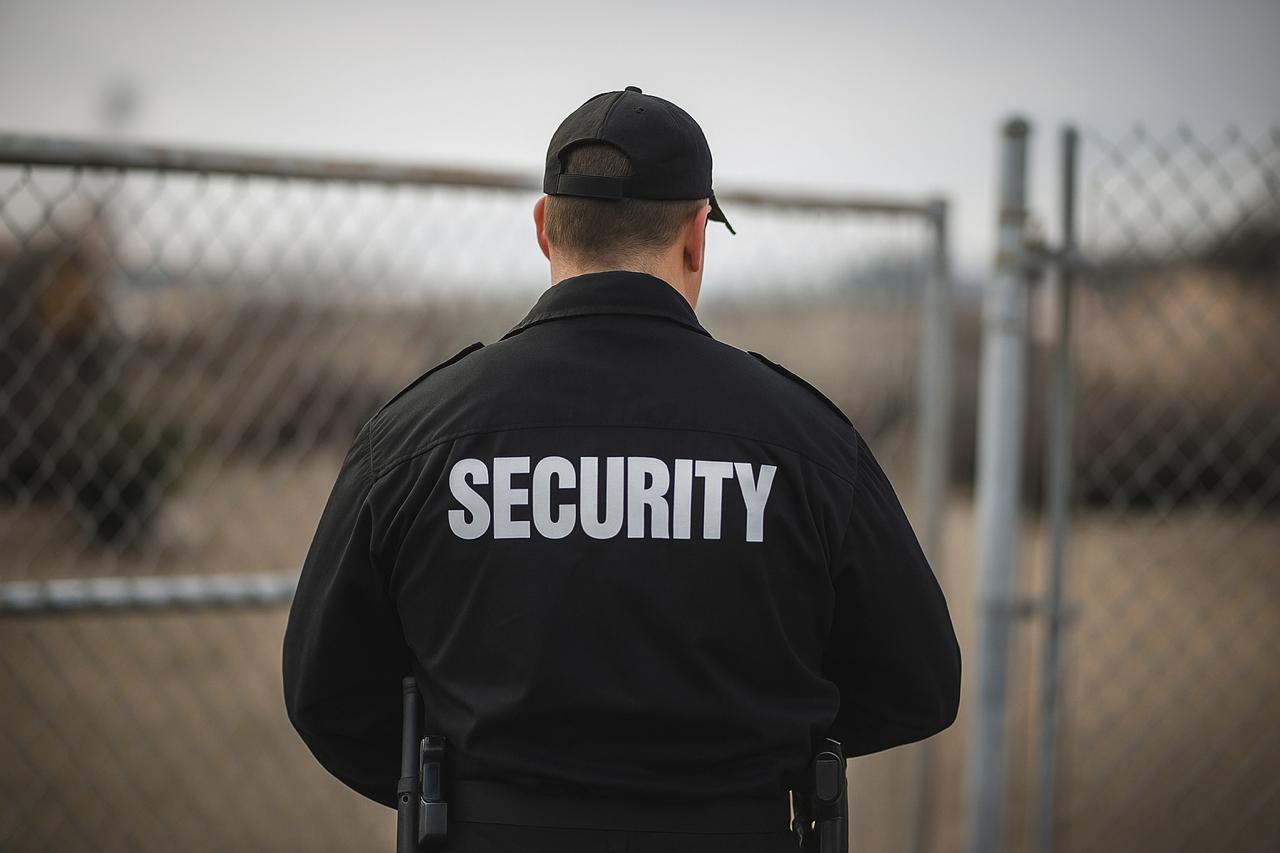
DPS Licensed via TOPS, B31064101, Texas
DPS-licensed fire-watch officers conducting documented patrol rounds at Texas sites during alarm or sprinkler impairments, following the site plan and requirements established by the local authority having jurisdiction.
WHAT THIS SERVICE COVERS
When a fire alarm or sprinkler system is impaired, whether for scheduled maintenance, unexpected failure, or active construction, fire code typically requires a continuous fire-safety watch. The fire-safety watch guard is the substitute detection and notification system while the automated system is offline. That means continuous patrol with documented rounds, not a security officer sitting at a desk.
We deploy DPS licensed fire-safety watch officers with the specific documentation discipline that fire marshals and AHJs require. Every patrol round is logged with timestamps. If a fire condition is detected, the guard follows the notification and evacuation protocol established for the site. Documentation records are maintained and available for inspection.
Uninterrupted patrol rounds covering the impaired area, documented at each pass to meet the fire code requirement for a continuous fire-safety watch.
Every patrol round is logged with timestamp, area covered, and guard signature, providing the documentation record required by fire marshals and insurance carriers.
Officers follow the established notification protocol for the site, contacting fire department, building management, and occupants in the sequence defined before the watch begins.
Fire watch needs arise quickly when systems fail unexpectedly. We deploy DPS licensed officers on short notice when the situation demands it.
Continuous Patrol Rounds
Fire Condition Detection
Emergency Notification
Round Documentation
Facilities Coordination
Continuous Patrol
Round 1 Logged
Full patrol round complete, all 12 zones checked, no fire conditions observed. Logged 14:02 with guard signature.
System Status Note
Sprinkler system impairment confirmed active, maintenance crew on site, estimated restoration 18:00. Fire watch continuous.
Round 4 Logged
Full patrol round complete, north wing and stairwells checked. Smoke detector in storage room beeping (low battery), flagged for maintenance.
System Restored
Sprinkler system restored at 17:44, AHJ notified. Final fire-safety watch round logged at 17:50. Watch terminated per post order.
Every patrol round is logged with a timestamp, area covered, and guard notes, creating the documentation record that fire marshals and insurance carriers require.
Guard GPS data confirms patrol paths and timing, providing an independent verification layer alongside the round log documentation.
Officers record and transmit emergency notifications through the platform, creating a timestamped record of every notification action taken during the watch.
Fire watch logs are formatted for direct submission to fire marshals, AHJ inspectors, and insurance carriers upon request.
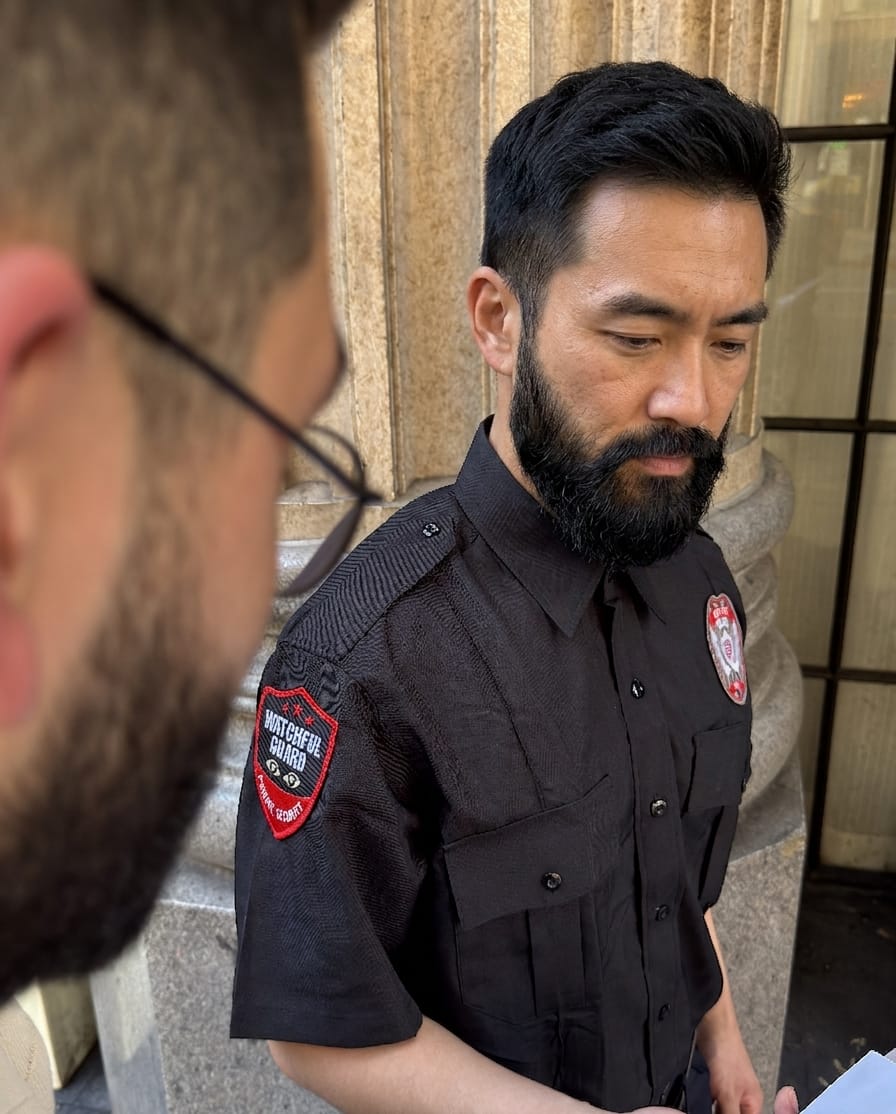
"Fire watch documentation has to be right. We train officers specifically on round logging, fire condition detection, and notification protocols before any fire-safety watch assignment."
Watchful Guard, B31064101
All fire-safety watch officers hold current DPS security officer licenses through the TOPS system. Watchful Guard operates under company license B31064101.
Officers assigned to fire-safety watch are briefed on fire code documentation requirements, round logging standards, and the specific notification protocols for the site before the watch begins.
Round logs are formatted and maintained to meet the documentation standards required by fire marshals and Authority Having Jurisdiction (AHJ) inspection requirements.
Fire watch is required by fire code whenever a fire alarm or suppression system is impaired. Any site type can have this requirement triggered.
Office towers, retail centers, and commercial sites where scheduled maintenance or unexpected system failures trigger the fire-safety watch requirement.
Active construction and renovation projects where fire suppression systems are not yet installed or are temporarily offline during specific phases of work.
Apartment communities and residential buildings where sprinkler or alarm maintenance requires a continuous fire-safety watch for the duration of the impairment.
Hospitals, schools, and institutional facilities where system impairments require immediate fire-safety watch deployment to keep occupant safety.
Tell us about the site, the system impairment, the coverage area, and how long the fire-safety watch is needed. We will deploy a DPS licensed guard with the documentation discipline the assignment requires.